Adult only. Private by design.
Neighbors and a lifestyle party
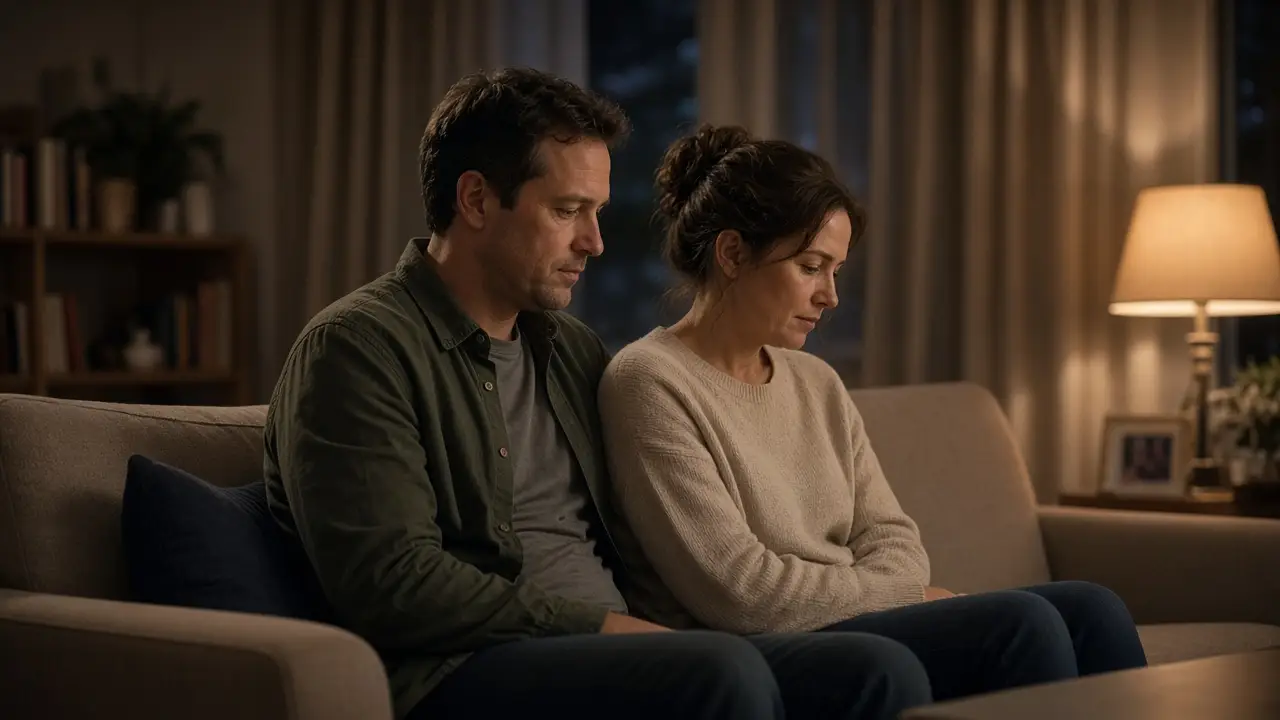
The night stays inside. Music, voices, and cars should sound like dinner with friends. If a neighbor knocks, you do not explain the party.
The short answer
Privacy on the list is not the same as quiet on the street. You can hide the address and still announce the night with a bass line and four cars idling. Plan the sound and the goodbyes the way you plan the guest list.
Your host invites friends. The host invites friends they'd love to have there. One private link per couple. The porch is a pass-through, not a second room.
Adult only. Private by design. You confirm you are 18 or older. The host still checks you in. A closed door is part of the invite.
How a host keeps a party private
The street is not the party
Guests come in and they leave. They do not gather on the sidewalk, smoke in a circle by the mailbox, or hold the door open while they finish a story. Coats go on inside. The goodbye is one sentence.
Public exposure is still a crime. The night stays in the room you control. A porch, a balcony, a pool that faces another building, and a car with the doors open are not that room.
Tell people where to park so the block does not look like an event. One note in the invite is enough: which side of the street, and not the driveway you need kept clear. You do not need a sign.
Sound and the end time
Pick an end time you will keep. The loud part is often the last fifteen minutes, when people find their shoes and call a car. Stagger those goodbyes if the building is thin or the street is tight.
Music stays at a level you could talk over. If you have to raise your voice for the person next to you, the neighbor can hear the chorus. Turn it down before anyone asks.
You do not need a decibel number or a speech about local rules. You need a time, a volume, and a host who will end it. Say that time in the invite so nobody is surprised.
If someone knocks
A neighbor at the door gets a short, ordinary answer. You are having friends over. You are sorry about the noise. You will turn it down, or you will wrap up. You do not name the kind of party. You do not invite them in to see. You do not argue on the step.
If they are angry, still keep it short. Close the door, turn the music down, and start the goodbyes if you said the night was ending. A debate in the hall is louder than the song was.
Do not text the guest list a play-by-play. One line is enough: we are wrapping up. The reason can stay with you.
The format does not move outside
A key party, a play party, or a speed date still happens in the room. All mutual-yes matches are revealed there, not on the porch and not in a group text afterward. A one-sided yes stays hidden.
If the space cannot hold the night quietly, pick a smaller list or a different room. A hotel you booked is one option. A house that shares a wall with someone you have not told is a reason to keep the list short and the end time early.
FAQ
Do we tell the neighbors what the party is?
No. If they knock, say you are having friends over and you will keep it down. You do not name the kind of night, and you do not invite them in to look.
Where should people smoke or talk?
Inside, or a quick step out and back in. A circle on the sidewalk is how the block learns you are hosting. The porch is a pass-through.
How loud is too loud?
If you have to raise your voice to the person next to you, it is too loud. You do not need a meter. Turn it down before anyone asks.
What time should the night end?
The time you wrote in the invite. The last goodbyes are often the noisy part. Stagger them, and mean the time.
Can the play happen on a balcony?
No. Public exposure is still a crime. A balcony, a pool that faces another building, and a car with the doors open are not a private room.
Does the format change if we have to end early?
No. All mutual-yes matches are revealed for the format you picked. Ending early is still that same night, just finished.